Does your living room feel perfectly comfortable while your bedroom is freezing? Or maybe the upstairs rooms feel like a sauna while the downstairs never seems to warm up.
If you're constantly adjusting the thermostat or piling on blankets in certain rooms, you're not alone. Uneven heating is a common problem for homeowners throughout Northern New Jersey, especially during the colder months.
In Northern New Jersey, uneven heating can be especially challenging in older homes, including properties originally built for seasonal use. When winter temperatures drop below freezing, inadequate insulation, drafty crawl spaces, and poorly constructed additions can make it difficult to maintain consistent comfort, even with a properly functioning heating system.
The good news? Hot and cold spots don't always mean you need a new heating system. Sometimes, the solution is as simple as replacing a dirty filter or addressing an airflow restriction. Other times, the problem may involve your home's insulation, construction, ductwork, or heating equipment.
Here's what might be causing those frustrating temperature differences and what you can do about them.
Uneven heating happens when certain areas of your home receive or retain more heat than others. Several factors can contribute, including:
Northern New Jersey homes come in all shapes, sizes, and ages. From older homes with radiator heating to newer multi-level properties with forced-air systems, each presents its own heating challenges.
Understanding the cause is the first step toward restoring consistent comfort.
If you have a forced-air heating system, proper airflow is essential for maintaining comfortable temperatures throughout your home.
Your furnace heats air and distributes it through ductwork to individual rooms. When something restricts that airflow, certain areas may not receive enough warm air.
Common airflow problems include:
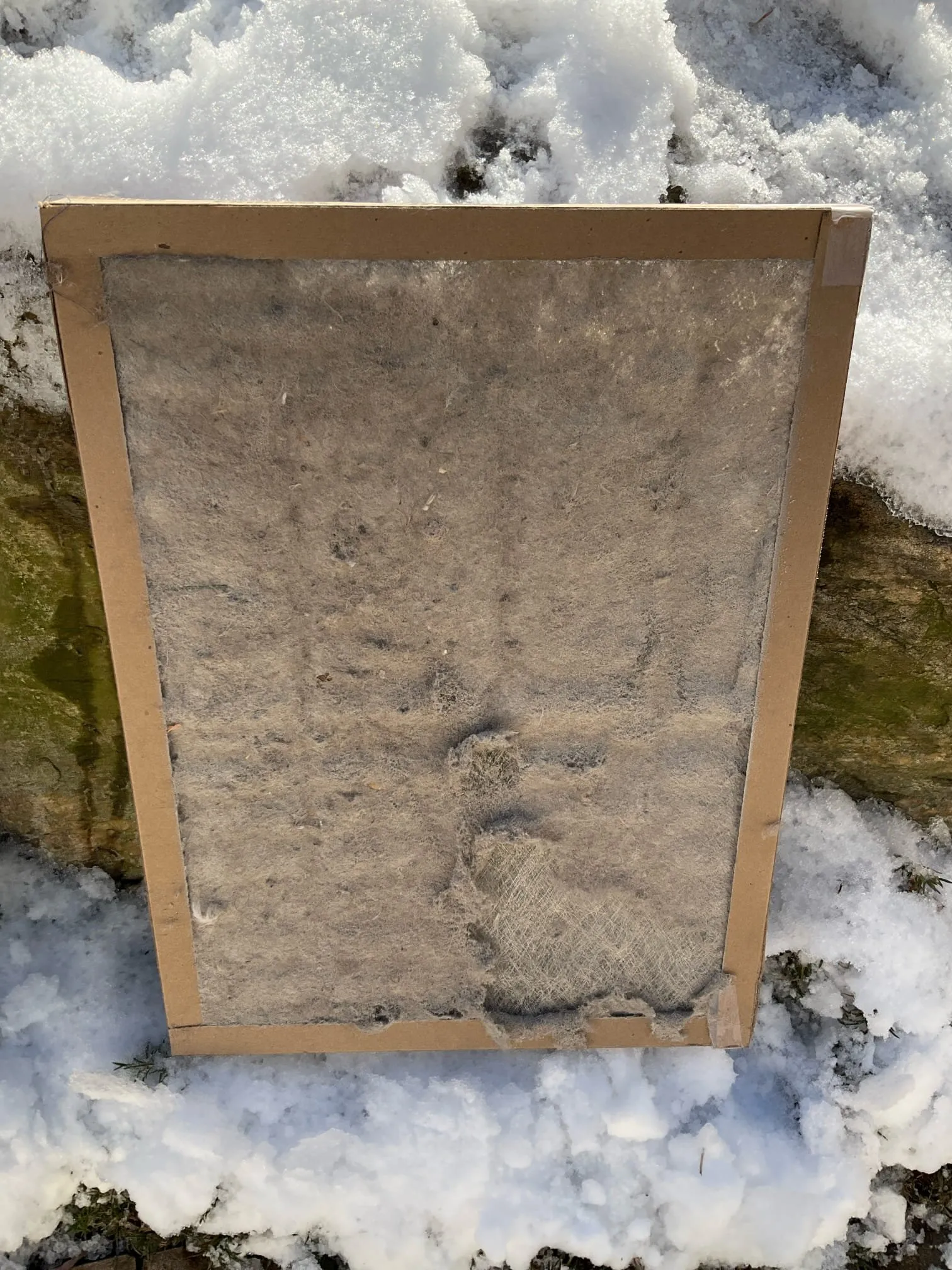
Start by checking that your vents are open and unobstructed. Make sure furniture isn't covering return air grilles, and inspect your furnace filter.
Avoid closing multiple vents to force more heat into colder rooms. Doing so can increase pressure within your ductwork and potentially reduce system efficiency.
If some rooms still receive noticeably less airflow, an HVAC professional can evaluate the system and determine whether adjustments or repairs are needed.
Your ductwork plays a major role in how evenly your home heats.
Over time, duct connections can loosen, seals can deteriorate, and leaks can develop. When heated air escapes into an attic, crawl space, or other unconditioned area, less warmth reaches the rooms that need it.
Poor duct design can also create temperature differences, particularly in larger or multi-story homes.
Signs of possible ductwork problems include:
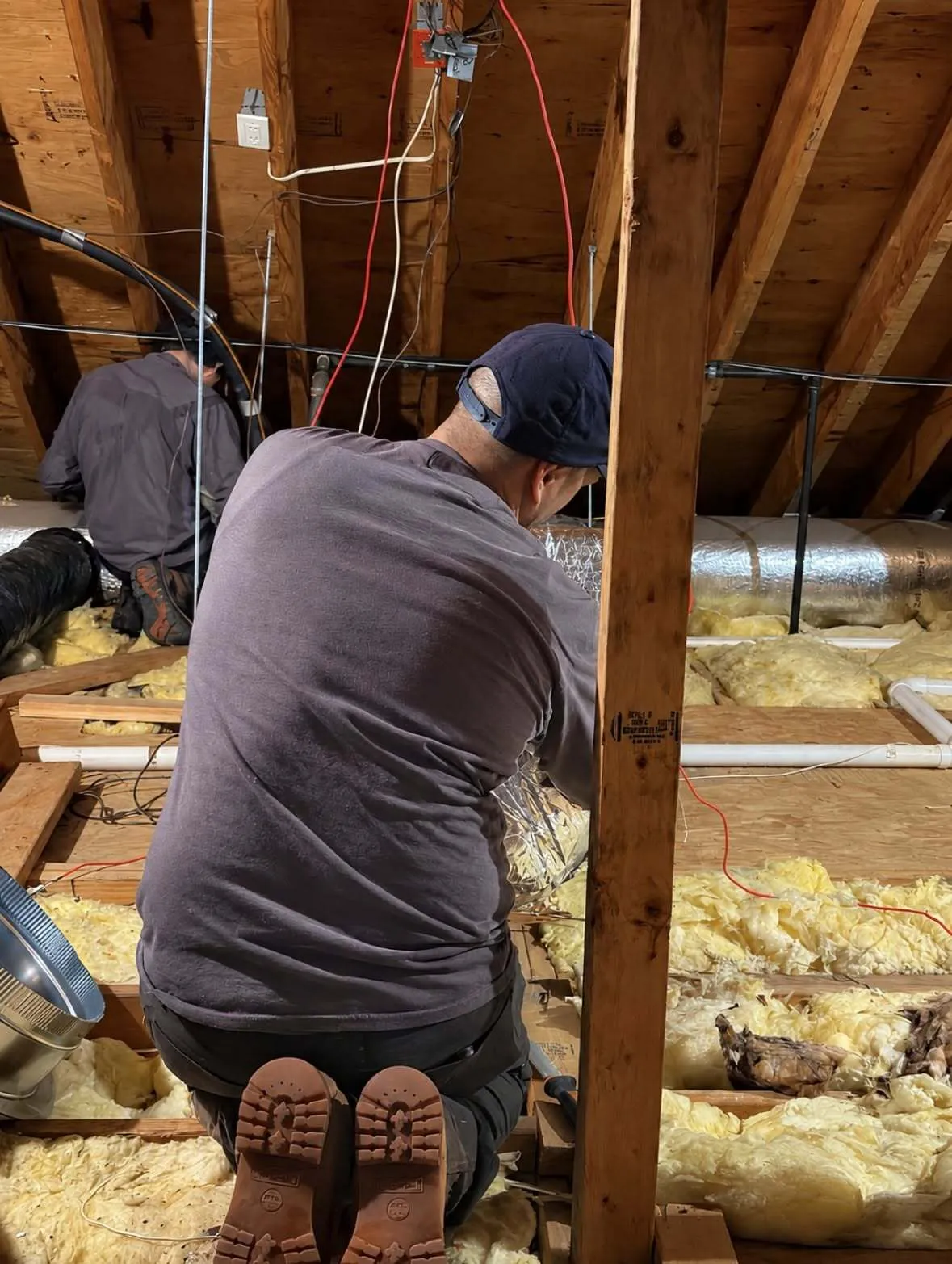
A professional ductwork inspection can identify leaks, restrictions, and airflow imbalances. Depending on the findings, solutions may include sealing accessible duct connections, adjusting dampers, improving duct insulation, or correcting duct sizing issues.
Keep in mind: Homes heated by boilers and radiators typically don't rely on ductwork to distribute heat. Those systems have different potential causes of uneven heating, which we'll cover below.
Your thermostat measures the temperature in its immediate surroundings, not necessarily throughout your entire house.
That means its location can significantly influence how comfortably your home heats.
For example, if your thermostat is located in a naturally warm hallway, it may signal your heating system to shut off before colder bedrooms reach a comfortable temperature.
A thermostat installed near a drafty doorway, sunny window, or other temperature-influencing area can also produce misleading readings.
Check whether your thermostat is located on an interior wall away from direct sunlight, drafts, and nearby heat sources.
If temperature differences persist, ask an HVAC professional whether relocating the thermostat, using compatible remote temperature sensors, or exploring a zoning solution would be appropriate for your system.
A smart thermostat can offer additional convenience, but it won't automatically correct ductwork, insulation, or equipment problems.
Many homes throughout Northern New Jersey were built decades ago, and some were originally designed as seasonal or summer residences rather than year-round homes.
While these properties have plenty of charm and character, they weren't always constructed with today's insulation standards or winter heating demands in mind.
Sometimes, the heating system is doing exactly what it's supposed to do, but the home simply can't retain enough warmth.
This becomes especially noticeable when outdoor temperatures drop below freezing.
Common structural and insulation issues include:
When a home has significant heat loss, increasing the thermostat setting may only cause the furnace or boiler to run longer without resolving the underlying problem.
For example, a room above an uninsulated crawl space or a poorly constructed addition may remain cold even when the heating equipment is operating correctly.
That's why identifying the source of uneven heating is so important.
Start by checking for noticeable drafts, cold floors, and areas where insulation may be missing or inadequate. A professional home energy assessment can help identify hidden air leaks and insulation deficiencies.
In some cases, improving insulation, sealing crawl spaces, or addressing construction-related issues may be more effective than making changes to the heating system itself.
The goal is to determine whether the problem lies with the heating equipment, the home's construction, or a combination of both.
If you have a forced-air furnace and certain rooms aren't warming up, the equipment itself may be contributing to the problem.
A furnace that's struggling to maintain proper airflow or deliver sufficient heat may leave distant rooms noticeably cooler.
Possible causes include:
A furnace that's too small may struggle to maintain comfortable temperatures during particularly cold weather. An oversized furnace may cycle on and off too frequently, potentially contributing to comfort problems.
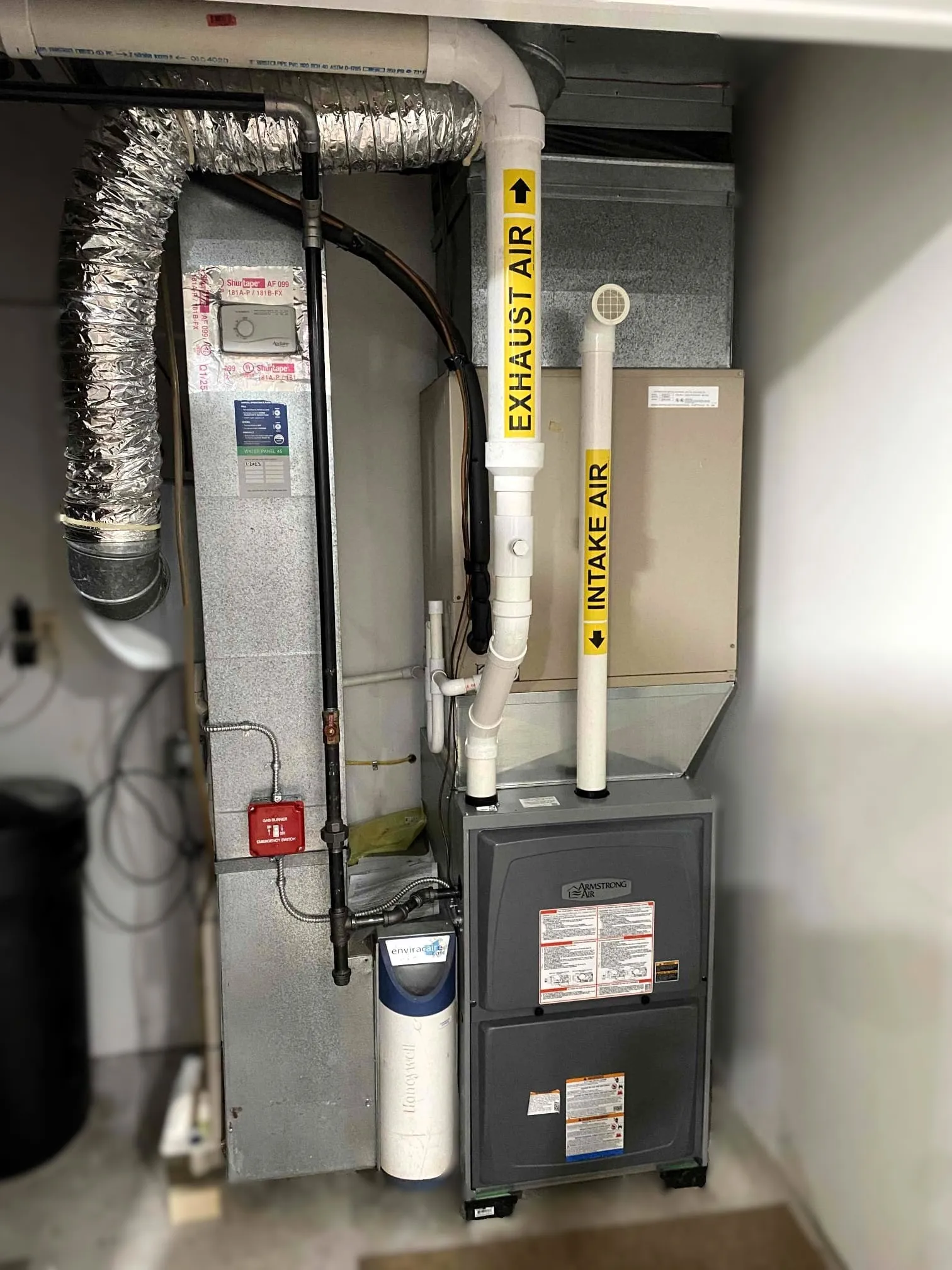
If your furnace runs constantly, cycles unusually often, makes unfamiliar noises, or struggles to maintain your thermostat setting, schedule a professional heating inspection.
A trained technician can evaluate system performance, airflow, and heating output to determine what's causing the problem.
Many older homes throughout Northern New Jersey rely on boilers, radiators, or hydronic baseboard heating systems rather than forced-air furnaces.
These systems circulate heated water, or in some cases steam, to distribute warmth throughout the home.
When one radiator or heating zone isn't performing properly, the result can be significant temperature differences between rooms.
Potential boiler-related causes include:
If one radiator stays cold while others heat normally, the issue may be localized rather than a problem with the entire boiler.
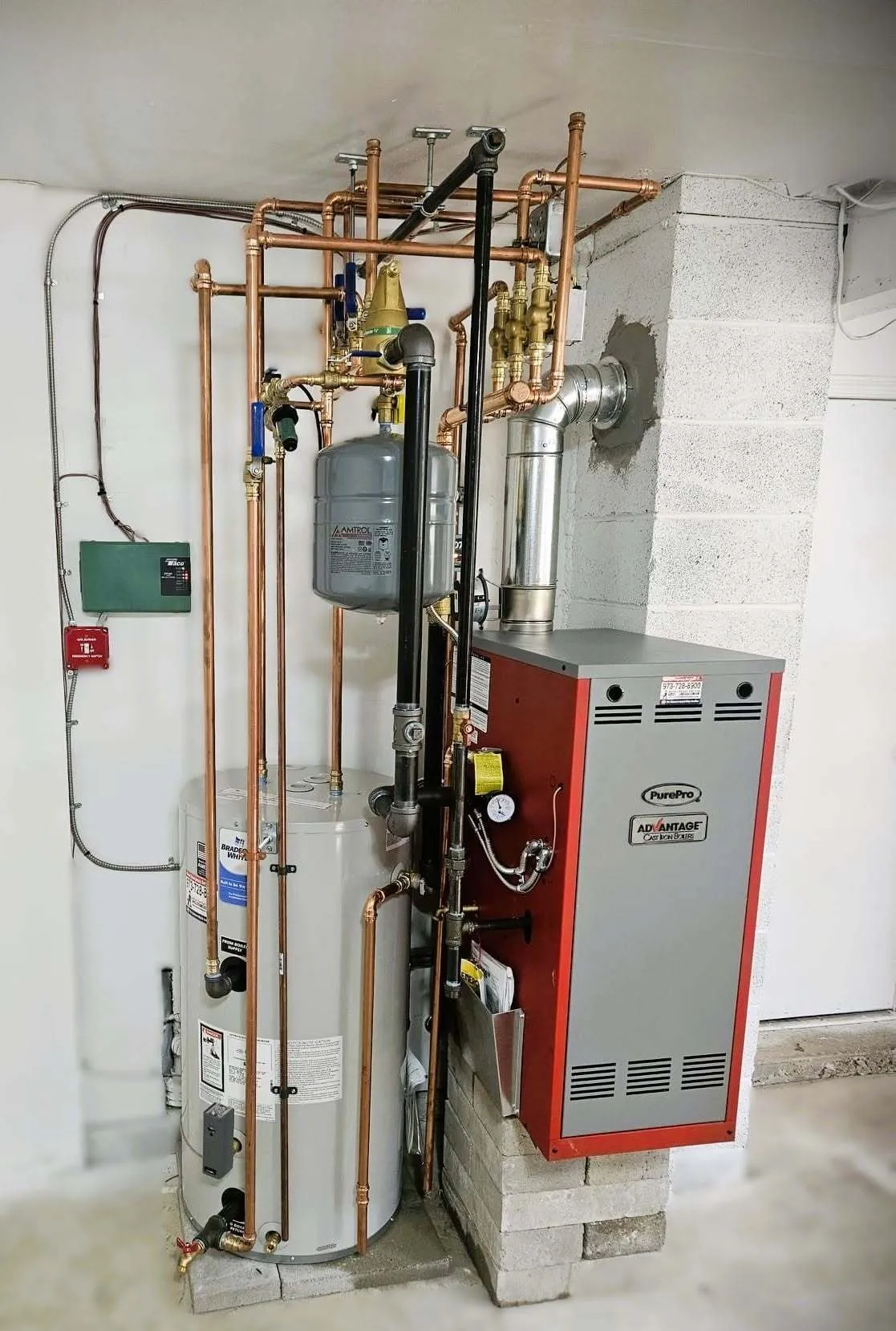
A qualified heating professional can inspect the boiler, circulation components, zone controls, and individual heating units to identify the cause.
Some hot-water radiators may require bleeding to release trapped air, but procedures vary by system. Steam radiators operate differently and should not be treated like hot-water radiators.
If you're unfamiliar with your heating system, it's best to have a professional evaluate the problem rather than attempting adjustments yourself.
Temperature differences between floors are especially common in two-story and multi-level homes.
Warm air naturally rises, which can make upstairs rooms warmer than lower-level spaces. Meanwhile, differences in insulation, sun exposure, duct design, and thermostat placement can make the imbalance worse.
In some homes, the opposite occurs, with upstairs bedrooms staying colder because of attic heat loss, insufficient airflow, or heating system design.
Depending on your home's layout and heating equipment, possible improvements may include airflow balancing, insulation upgrades, thermostat adjustments, or a properly designed zoning system.
The right solution depends on identifying what's actually causing the temperature difference.
Before assuming your heating system needs major repairs, start with a few simple checks.
Try these homeowner-friendly steps:
These steps can help narrow down the cause, but persistent heating imbalances often require a closer look at how your home and heating equipment work together.
If your heating system is operating properly but certain rooms remain cold, the problem may be related to your home's construction rather than the equipment. Older Northern New Jersey homes, particularly those originally built as seasonal residences, may have insufficient insulation, drafty crawl spaces, exposed overhangs, or poorly insulated additions. These conditions can cause significant heat loss during freezing weather, making some rooms difficult to keep warm.
Small temperature differences can be normal, especially in multi-story homes. However, rooms that remain significantly colder or warmer than the rest of the house may indicate airflow, insulation, thermostat, or heating equipment problems.
Yes. A dirty furnace filter can restrict airflow, reducing the amount of heated air circulating through your home. Rooms farther from the furnace may be especially affected. Replacing a clogged filter can help restore proper airflow, although other problems may also be present.
Not necessarily. A new thermostat may improve temperature control, particularly if your existing thermostat is poorly located or inaccurate. However, it won't resolve leaking ductwork, inadequate insulation, or mechanical heating problems.
Yes. If your heating system runs longer to compensate for colder rooms, it may use more energy than necessary. Addressing the underlying cause can improve comfort and may help reduce heating costs.
Not automatically. Uneven heating can result from airflow restrictions, ductwork problems, insulation deficiencies, or thermostat placement. A professional inspection can help determine whether repairs, system adjustments, or equipment replacement are appropriate.
A cold radiator may indicate trapped air in a hot-water system, a valve problem, poor circulation, or an issue with the heating zone. Steam systems have different possible causes. A heating technician can identify the problem and recommend the appropriate repair.
You shouldn't have to bundle up in one room and open a window in another just to feel comfortable at home.
Whether your Northern New Jersey home uses a furnace, boiler, or another heating system, identifying the source of uneven temperatures is the key to finding a lasting solution.
At Mark Lindsay & Son Plumbing & Heating, we help homeowners address heating concerns so they can enjoy a more comfortable home throughout the winter.
If you're dealing with stubborn cold spots, overheated rooms, or a heating system that doesn't seem to keep up, our team is here to help.
Contact Mark Lindsay & Son today to schedule heating service and take the first step toward more consistent comfort throughout your home.
Our team can evaluate your heating system and help determine whether uneven temperatures are related to equipment performance or whether your home's insulation and construction may be contributing to the problem.


Click Here to Contact Us!
 OPEN 24/7 CALL NOW