OPEN 24/7 CALL NOW
10 Ways to Get Your Heating System Ready Before Cold Weather Arrives
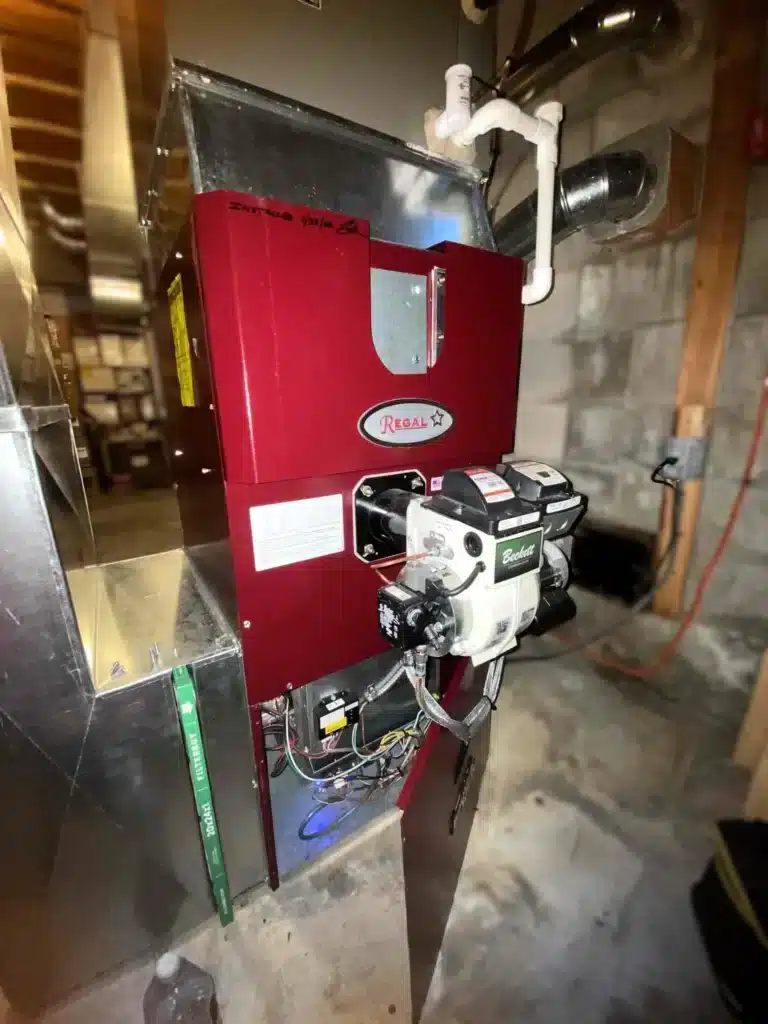
When fall arrives in West Milford, NJ, colder weather is never too far behind. Before temperatures drop and your heating system starts working overtime, a little preparation can go a long way toward keeping your home warm, comfortable, and safe.
Whether your home relies on a furnace, boiler, or another type of heating system, preparing it before the first cold snap can help improve performance, catch potential problems early, and reduce the chance of an unexpected breakdown in the middle of winter.
Here are 10 ways to get your heating system and home ready for the colder months ahead.
1. Schedule Annual Heating Maintenance
One of the most important things you can do is schedule professional heating maintenance before cold weather arrives.
During heating maintenance, an HVAC technician can inspect your system, check important components, identify signs of wear, and make sure everything is operating properly before you depend on it every day.
Scheduling maintenance early in the season can also give you more time to address a potential repair instead of discovering a problem on the first freezing night of the year.
2. Replace or Check Your Furnace Filter
If your home has a forced-air furnace, check the air filter before heating season begins.
A dirty or clogged filter can restrict airflow and make your heating system work harder to move warm air throughout your home. Depending on your system, filter type, household conditions, and manufacturer recommendations, your filter may need to be cleaned or replaced periodically throughout the heating season.
Not sure which filter your system needs? Your HVAC technician can help you determine the correct type and replacement schedule.
3. Check Your Thermostat
Before you really need the heat, switch your thermostat from cooling to heating mode and make sure the system responds properly.
Set the temperature a few degrees above the current room temperature. Your heating system should turn on and begin warming your home.
If the system doesn’t respond, cycles on and off frequently, or the temperature in your home doesn’t match the thermostat setting, it’s worth having the issue checked before colder weather sets in.
4. Have Your Chimney or Flue Inspected and Cleaned
If your heating system or fireplace uses a chimney or flue to safely vent combustion gases, make sure it is ready for the heating season too.
A professional inspection can identify blockages, buildup, deterioration, or other conditions that may affect proper venting. Depending on the type of heating equipment and venting system in your home, cleaning may also be recommended.
Proper venting is especially important for fuel-burning heating systems because combustion gases need a safe path out of your home.
5. Test Your Carbon Monoxide Detectors
Carbon monoxide is a colorless, odorless gas that can be produced by fuel-burning appliances, including furnaces and boilers.
Test the carbon monoxide detectors in your home and replace batteries when needed. You should also replace detectors according to the manufacturer’s recommended service life.
If a carbon monoxide alarm sounds, leave the home and follow the detector manufacturer’s emergency instructions. Never ignore a carbon monoxide alarm.
6. Clear Vents and Registers
Take a quick walk through your home and make sure heating vents, registers, and return-air grilles aren’t blocked by furniture, rugs, curtains, boxes, or other household items.
Keeping these areas clear allows heated air to circulate more freely and helps your system distribute warmth throughout the home.
If some rooms consistently feel much colder than others even with vents open and unobstructed, it may indicate an airflow, ductwork, or heating-system issue worth investigating.
7. Inspect Exposed Piping
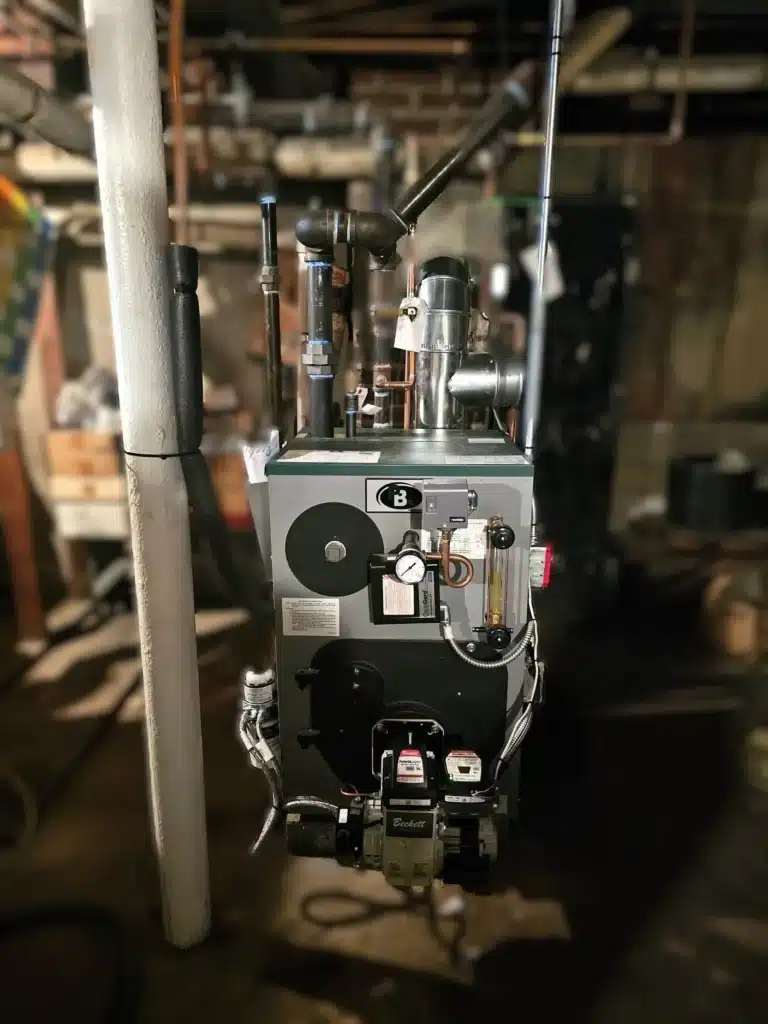
Homes with boilers, hydronic heating systems, or exposed plumbing in colder areas should take a few minutes to inspect visible piping before winter.
Look for signs of corrosion, leaking, damaged insulation, or other visible deterioration. Pay particular attention to pipes in basements, crawl spaces, garages, or other areas that may be exposed to colder temperatures.
If you notice leaks or damage, have the problem evaluated rather than waiting for freezing temperatures to arrive.
8. Consider a Programmable or Smart Thermostat
A programmable or smart thermostat can make it easier to adjust your home’s temperature based on your family’s daily schedule.
For example, you may be able to automatically lower the temperature while you’re sleeping or away from home and have the house warm back up before you wake or return.
The right thermostat depends on your heating equipment, so make sure the model you choose is compatible with your particular system.
9. Seal Drafts Around Windows and Doors
Your heating system isn’t the only thing that affects winter comfort.
Drafts around windows and exterior doors can allow heated air to escape while cold outdoor air enters your home. Check for noticeable gaps and worn weatherstripping around doors and windows.
Simple improvements such as replacing weatherstripping or sealing appropriate gaps can help reduce drafts and make it easier to maintain a comfortable indoor temperature.
10. Know the Signs Your Heating System Needs Attention
Your heating system will often give you warning signs when something isn’t working properly.
Contact an HVAC professional if you notice:
- Unusual banging, rattling, grinding, or squealing sounds
- Strange or persistent odors
- Uneven heating throughout your home
- A furnace or boiler that frequently turns on and off
- Difficulty reaching the thermostat setting
- An unexplained increase in heating costs
- A system that takes much longer than usual to warm your home
- Visible leaks around a boiler or heating equipment
Catching a heating problem early may help prevent a small issue from becoming a much larger repair during the coldest part of winter.
When Should You Schedule Heating Maintenance in West Milford, NJ?
For most homeowners, late summer or early fall is an ideal time to schedule heating maintenance, before the system is needed on a regular basis.
West Milford and the surrounding Northern New Jersey area can experience significant winter weather and freezing temperatures, making a reliable heating system an important part of preparing your home for the season.
Having your system inspected ahead of time gives you the opportunity to address maintenance or repair needs before temperatures really start to drop.
Get Your Heating System Ready for Winter with Mark Lindsay & Son
Don’t wait until the first freezing night to find out your heating system isn’t ready. At Mark Lindsay and Son Plumbing, Heating & Air Conditioning, we help homeowners throughout West Milford and the surrounding Northern New Jersey area prepare their heating systems for the cold months ahead.
Whether you need seasonal heating maintenance, a repair, or help determining whether your current system is performing the way it should, our experienced team is here to help.
Schedule your heating service today and head into winter knowing your home is ready for the cold.