OPEN 24/7 CALL NOW
What To Do Immediately If Your Water Heater Starts Leaking
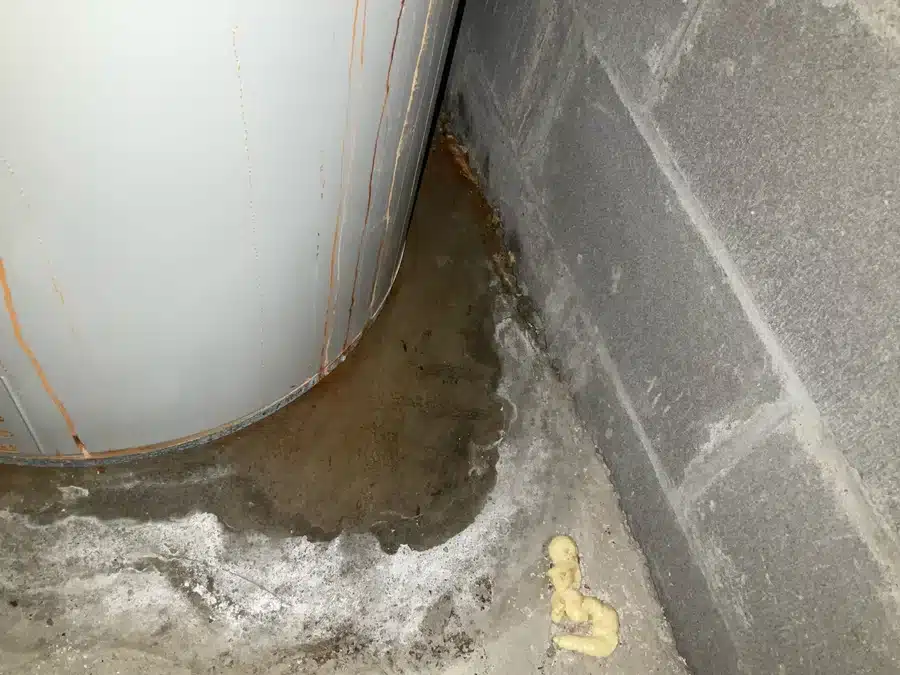
A leaking water heater can be stressful—but taking the right steps quickly can help minimize damage and keep your home safe. Whether you notice a small puddle or an active leak, knowing what to do right away makes all the difference.
At Mark Lindsay & Son, we provide professional water heater repair and replacement services for homeowners throughout northern New Jersey, including Sussex County, Morris County, and surrounding areas. This step-by-step guide explains exactly what to do—and when it’s time to call a licensed professional.
Step 1: Stay Calm and Act Quickly
First things first—don’t panic. Most water heater leaks are manageable when addressed promptly. Acting quickly can help prevent water damage to floors, walls, and nearby belongings.
If you see water pooling around the unit, follow the steps below.
Step 2: Turn Off the Water Supply to the Water Heater
Locate the cold water shut-off valve connected to the top of the water heater.
- Turn the valve clockwise to shut off the water.
- If the valve won’t turn or you can’t locate it, shut off the main water supply to your home.
This step is critical for limiting damage—especially in finished basements and utility rooms common in many New Jersey homes.
Step 3: Turn Off Power or Gas to the Unit
For safety, shut down the energy source:
- Electric water heater: Turn off the breaker labeled “water heater” in your electrical panel.
- Gas water heater: Turn the gas control valve to the OFF position.
⚠ Do not attempt to repair electrical or gas components yourself. This step simply helps prevent further risk until a professional plumber arrives.
Step 4: Drain the Tank (If Safe to Do So)
If the leak is active and you can safely access the unit:
- Attach a garden hose to the drain valve at the bottom of the tank.
- Run the hose to a floor drain, sump pump, or outside.
- Open the drain valve carefully.
Draining the tank can help reduce pressure and limit water damage while you wait for service.
Step 5: Identify the Source of the Leak (Briefly)
You don’t need to diagnose the issue—but a quick observation can be helpful when you call for service.
Common causes of water heater leaks include:
- Loose or corroded pipe connections
- A failing temperature and pressure relief valve
- Internal tank corrosion due to age or sediment buildup
If the leak is coming from the bottom of the tank, it often indicates internal failure and typically means replacement is needed.
Step 6: Call a Licensed Local Plumbing Professional
This is the most important step.
Water heater leaks can escalate quickly and may involve electrical, gas, or pressure-related hazards. A licensed plumbing professional can safely assess the situation and recommend the best solution.
At Mark Lindsay & Son, we’ve been helping homeowners with water heater repairs and replacements across northern New Jersey for decades. Our team is trained to:
- Respond quickly to water heater emergencies
- Prevent further water damage
- Clearly explain repair vs. replacement options
- Handle every situation safely and professionally
Why Professional Handling Matters
Water heaters are not a DIY appliance. Improper handling can lead to:
- Increased water damage
- Safety risks from gas or electricity
- Costly repairs down the road
Professional service ensures your water heater issue is addressed correctly, safely, and efficiently, protecting both your home and your peace of mind.
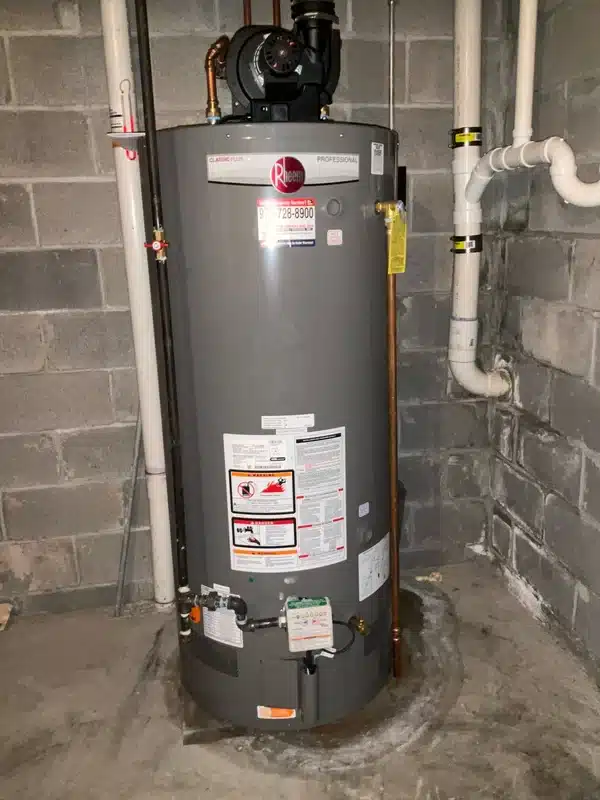
Need Water Heater Help in Northern New Jersey?
If your water heater is leaking, or showing signs of failure, don’t wait.
Contact Mark Lindsay & Son for trusted water heater service in Sussex County, Morris County, and surrounding New Jersey communities.
We’re here to help restore your hot water and handle the problem the right way!
CALL NOW (973) 728-8900 CALL NOW (973) 728-8900