OPEN 24/7 CALL NOW
Why Cold Weather and Wind Freeze Pipes — and How to Stop It
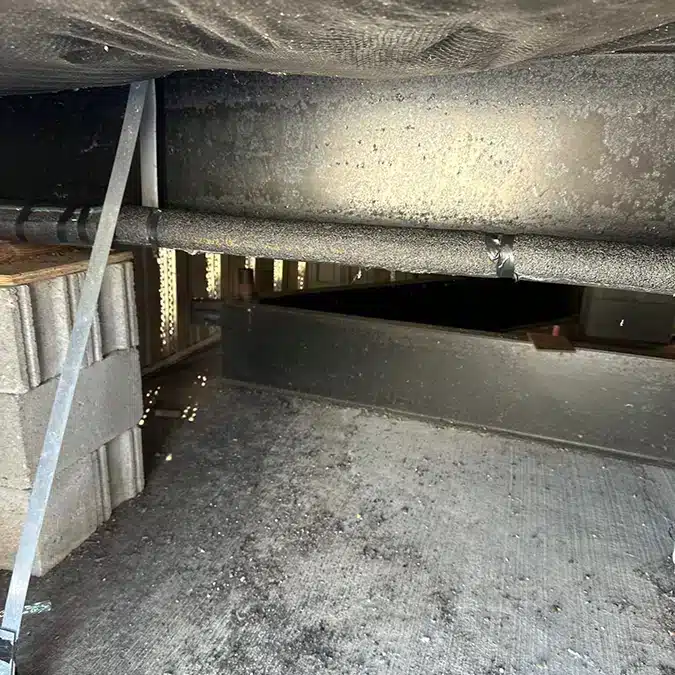
When winter hits New Jersey, homeowners often worry about snow, ice, and heating bills. But one of the most expensive and disruptive cold-weather problems is something you don’t always see coming:
Frozen and burst pipes — especially when cold temperatures and strong winds combine.
At Mark Lindsay and Son Plumbing & Heating, our West Milford plumbing service experts have seen firsthand how quickly winter weather can damage plumbing. Many homeowners are surprised to learn that wind plays a major role. When wind pushes freezing air into cracks, crawl spaces, and exterior wall cavities, pipes can freeze even when temperatures aren’t extremely low.
Here’s what every homeowner should know — and how to protect your home before the next cold snap arrives.
Why Pipes Freeze (And Why Wind Makes It Worse)
Cold Temperatures + Water Expansion
When water freezes, it expands inside the pipe. That pressure can cause the pipe to crack or burst, leading to flooding, water damage, and expensive repairs.
Windchill Accelerates Freezing
Wind doesn’t freeze water the way it affects skin, but it does rapidly cool the air around your home, especially in uninsulated or drafty areas.
Wind can:
- Force freezing air through tiny gaps
- Cool exterior wall cavities faster than still air
- Lower temperatures in crawl spaces and basements
- Strip heat away from pipes at a much faster rate
This means pipes can freeze at temperatures above 32°F if wind is pushing cold air into the wrong places.
Windchill-related pipe freezes are extremely common in:
- Pipes on exterior walls
- Under kitchen and bathroom sinks
- Crawl spaces
- Garages
- Poorly insulated basements
- Laundry rooms near exterior walls
How to Protect Your Pipes Before Winter Hits
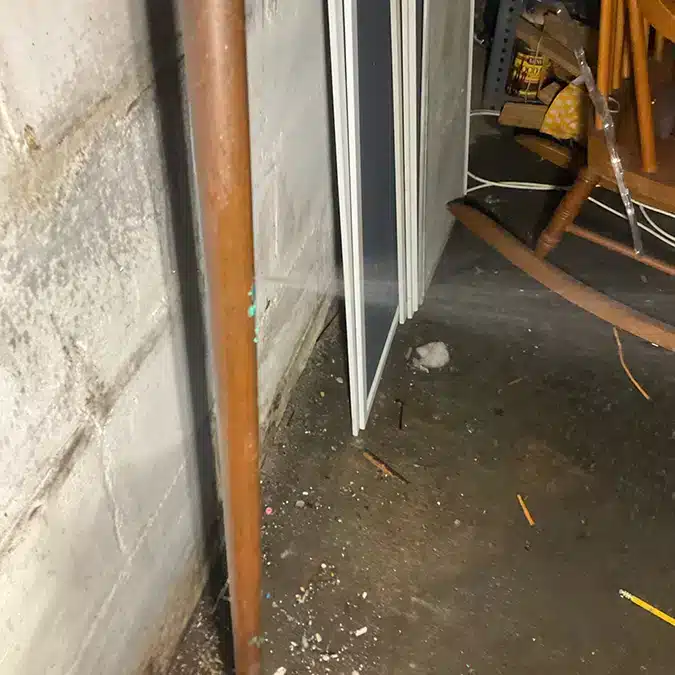
These simple steps can dramatically reduce your risk of frozen or burst pipes whether the freeze comes from cold temperatures, strong winds, or both.
1. Insulate Exposed Pipes
One of the best ways to prevent frozen pipes is to add insulation anywhere your plumbing is exposed to cold air. Think about the areas of your home that don’t get much heat — places like basements, crawl spaces, attics, garages, utility rooms, or any plumbing that runs along an exterior wall. These spots tend to get chilly fast, especially on windy days.
A simple foam insulation sleeve can make a big difference and is inexpensive to install. And if you know certain areas of your home get really cold or drafty, you may want to go a step further and add heat cable or heat tape for extra protection. It’s a small upgrade that can save you from a big headache later.
2. Seal Gaps Where Wind Can Sneak In
This step is huge, especially in New Jersey where winter winds can be brutal. Even a tiny gap can let freezing air rush into places it doesn’t belong — and that’s often what causes pipes to freeze faster than the actual temperature would suggest.
Take a quick walk around your home and look for any spots where cold air might be getting in: around plumbing that runs through exterior walls, near the foundation, by basement windows, or around vents and utility openings. If you feel a draft, seal it up with caulk, weatherstripping, or expanding foam. When you block that wind, you immediately make your pipes safer.
3. Disconnect and Drain Outdoor Hoses
This one is simple but incredibly important. Before the temperatures drop, make sure all outdoor hoses are disconnected and drained. Leaving a hose attached traps water in the faucet line — and once the wind hits it, that water can freeze quickly and push ice back into your home’s plumbing.
After you remove the hoses, drain the spigot and pop on an insulated cover. If your home has an indoor shutoff for outdoor faucets, turn that valve off and drain the line completely. It’s a 5-minute task that prevents some of the most common winter plumbing emergencies.
4. Keep Indoor Temperatures Consistent
Even if you’re away or trying to save energy, never set your thermostat below 55°F. Wind can cause certain parts of your home like wall cavities or cabinets to get much colder than your living space.
5. Open Cabinet Doors on Cold, Windy Nights
If you have kitchen or bathroom plumbing along an exterior wall, those cabinets can trap cold air. When it’s especially cold or windy outside, simply opening the cabinet doors lets warm air from your home circulate around the pipes. It’s a small, easy trick that can make a big difference — especially during those overnight temperature drops.
6. Let Faucets Drip During Extreme Cold or Windchill Warnings
When the forecast calls for very low temps or strong winds, let your faucets drip at a slow trickle. Moving water doesn’t freeze as easily, so this can help relieve pressure inside the pipes and keep them flowing. Focus on the faucets farthest from your main water line or the ones located near exterior walls.
7. Check Crawl Spaces and Garages
Crawl spaces and garages can become surprisingly cold during the winter, especially when wind pushes frigid air inside. Keep garage doors closed as much as possible, and make sure crawl space vents are covered. A little extra insulation in these areas can go a long way toward protecting nearby pipes.
How to Tell if a Pipe Is Frozen
After a night of strong wind and freezing temps, watch for:
- No water coming from a faucet
- Very slow flow
- Frost on pipes
- Strange gurgling sounds
- Sudden drop in water pressure
- Cold drafts inside cabinets
These can all be signs that part of your plumbing is starting to freeze.
What to Do if a Pipe Freezes
- Turn on the faucet: Water needs somewhere to go as the ice melts.
- Apply gentle heat: Use a hair dryer, warm towels, or a heating pad. Never use an open flame.
- Check for leaks: If a pipe bursts, turn off your home’s main water valve immediately.
- Call a licensed plumber: Frozen pipes can worsen quickly — professional help prevents further damage.
Frequently Asked Questions About Frozen Pipes
Keep Your Home Safe All Winter Long
Freezing temperatures and winter winds can create the perfect storm for pipe damage — but a few preventative steps can protect your home and your wallet.
If you want to winterize your plumbing, seal drafty areas, or if you’re already dealing with a frozen pipe, the experts at Mark Lindsay and Son Plumbing & Heating are here to help.
Need assistance? Call us anytime!